Free Things to Do in Miami for Art Lovers
Explore two floors of modern and contemporary art in Wynwood, then walk among monumental sculptures in the Miami Design District.
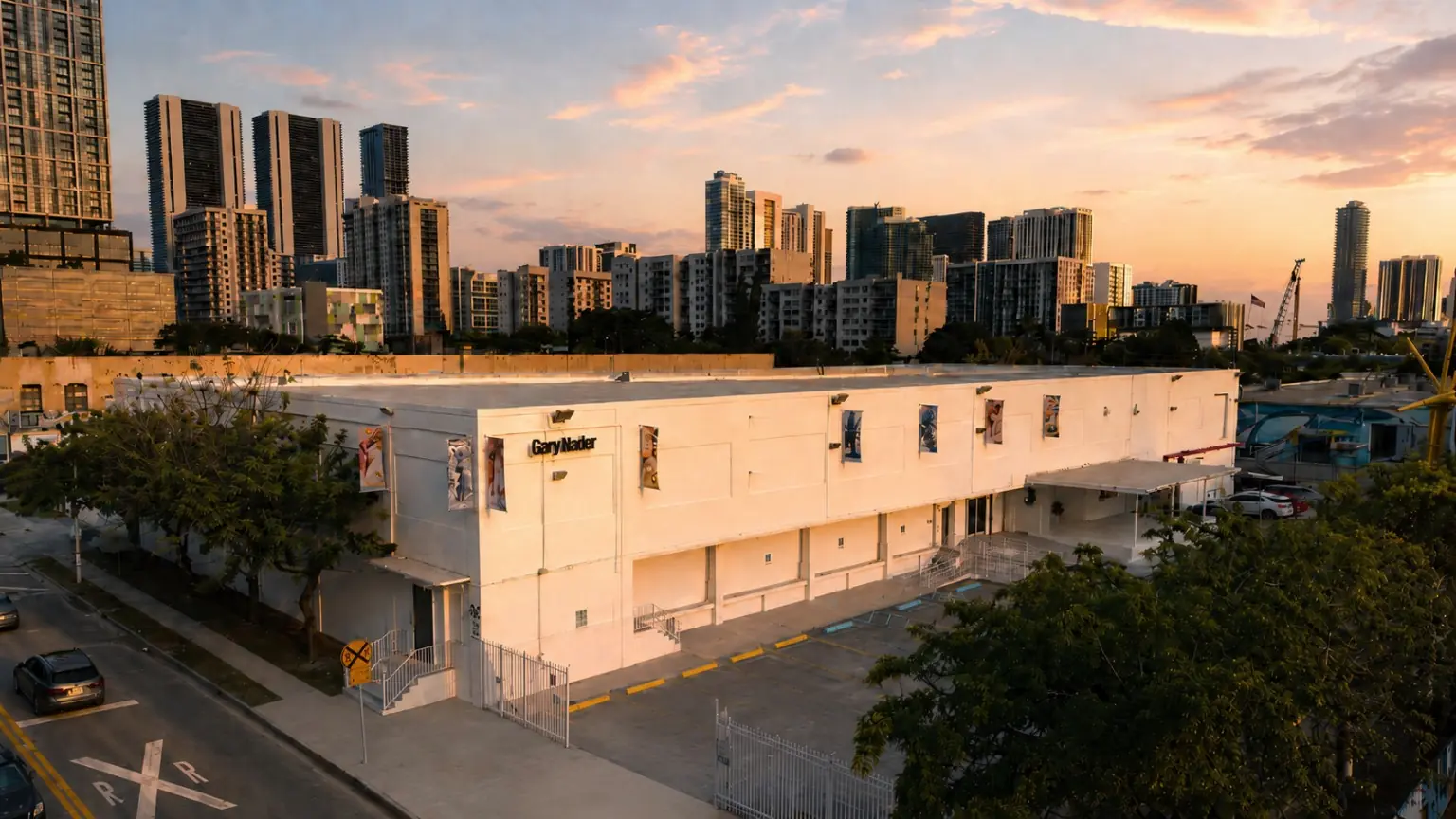
An afternoon of art in Miami can take you from Picasso’s ceramics to a Cruz-Diez work whose colors change as you move, then outdoors to sculptures that invite you to walk around them. Begin at Gary Nader Art Centre in Wynwood and continue to Nader Sculpture Park in the Design District. Gallery admission, gallery parking and independent park admission are free.
For anyone looking for free things to do in Miami, the appeal is the chance to spend time with original works by modern and contemporary masters represented in major museums around the world. Come with someone who notices different things from you. A detail they point out may change what you see.
Two floors of modern and contemporary art in Wynwood
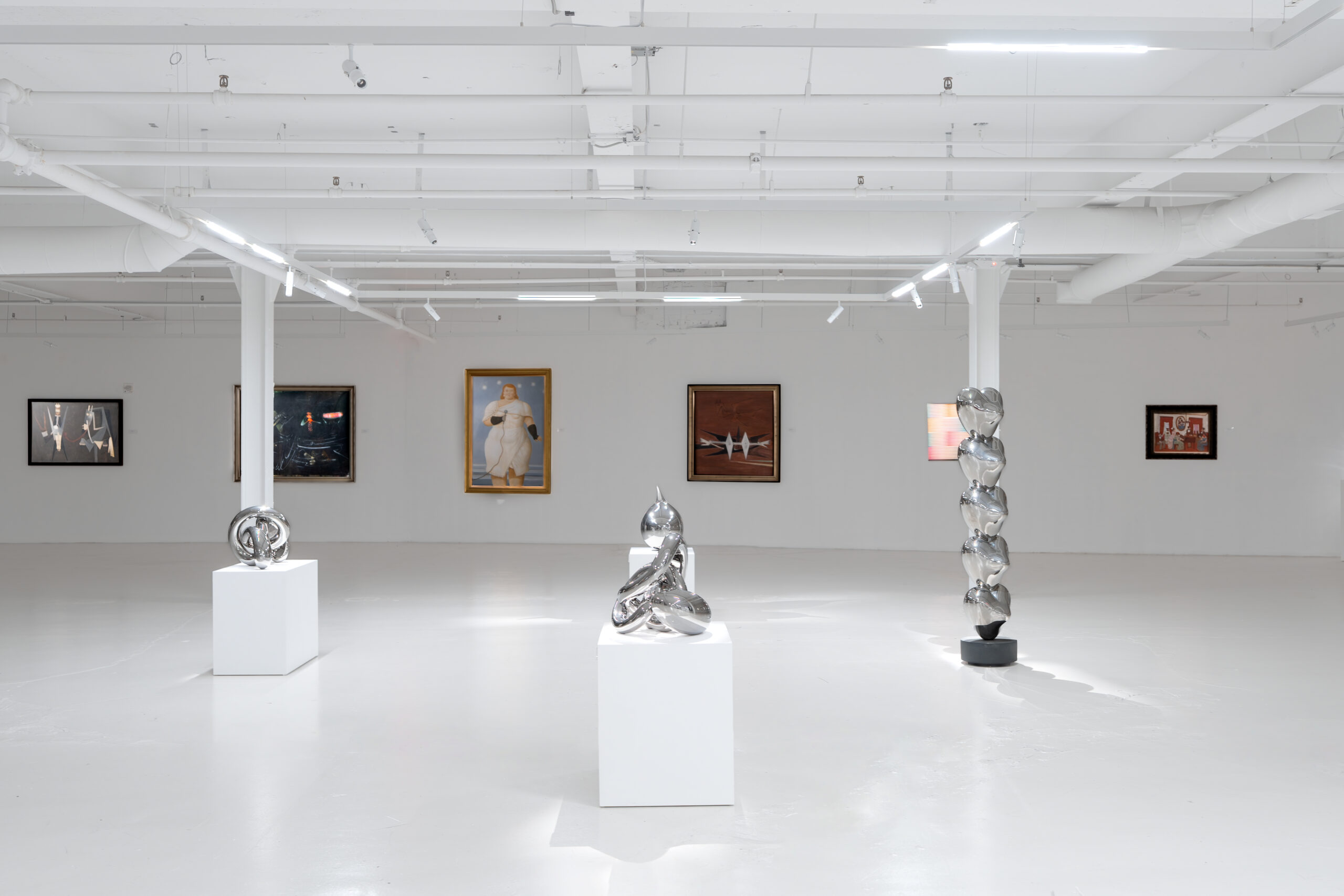
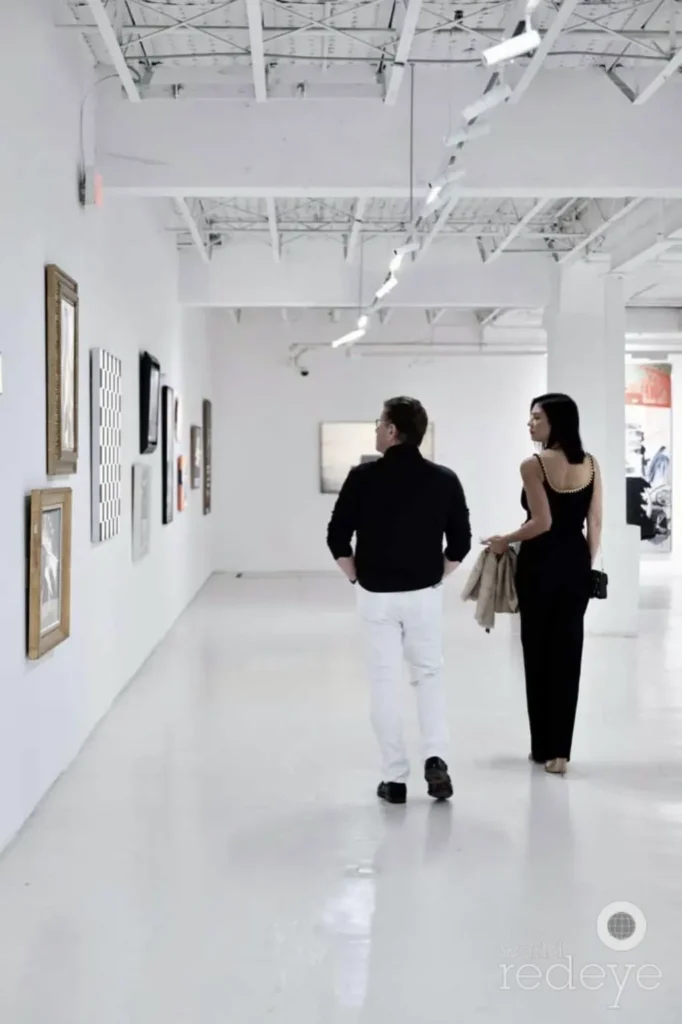
At 62 NE 27th Street, Gary Nader Art Centre brings together a gallery, temporary exhibitions and a private collection across two floors. Upstairs, Nader Museum presents the collection through curated exhibitions, placing individual works in a wider historical and artistic context. Give yourself time to explore both floors and follow the connections between them.
Gary Nader, an art dealer and collector, founded both spaces to present and study modern and contemporary art and make his collection accessible to a wider public. His work has supported wider international recognition of Latin American masters within that broader history. Nader Sculpture Park extends his commitment to public access outdoors, bringing encounters with sculpture into a walk through the Design District.
The Centre is home to the world’s largest private collection of Fernando Botero’s work. Its broader holdings encompass painting and sculpture, with artists whose approaches to the body, color and space make each part of the visit feel different.
Picasso and Botero up close
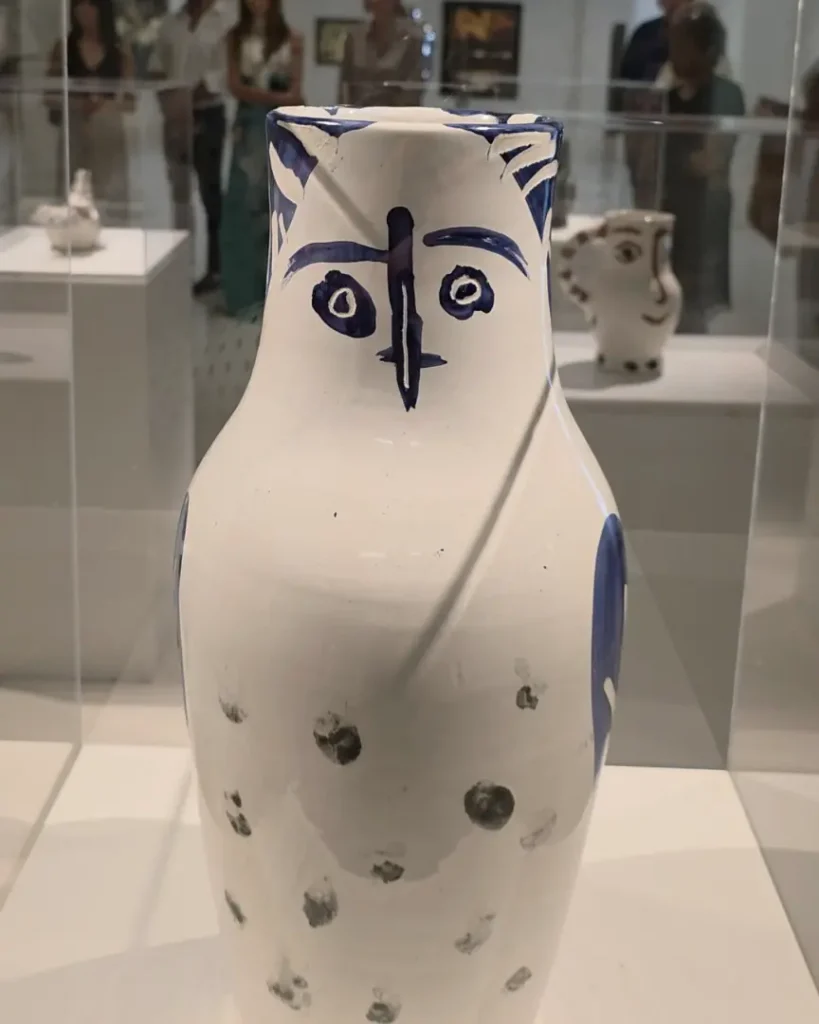
Pablo Picasso’s ceramics offer a particularly engaging introduction. Follow the marks across the clay and notice how the shape of an object participates in the image. A curve or a rim can become part of a face, an animal or a scene. These works reveal the inventiveness of an artist willing to turn an everyday object into something unexpected.
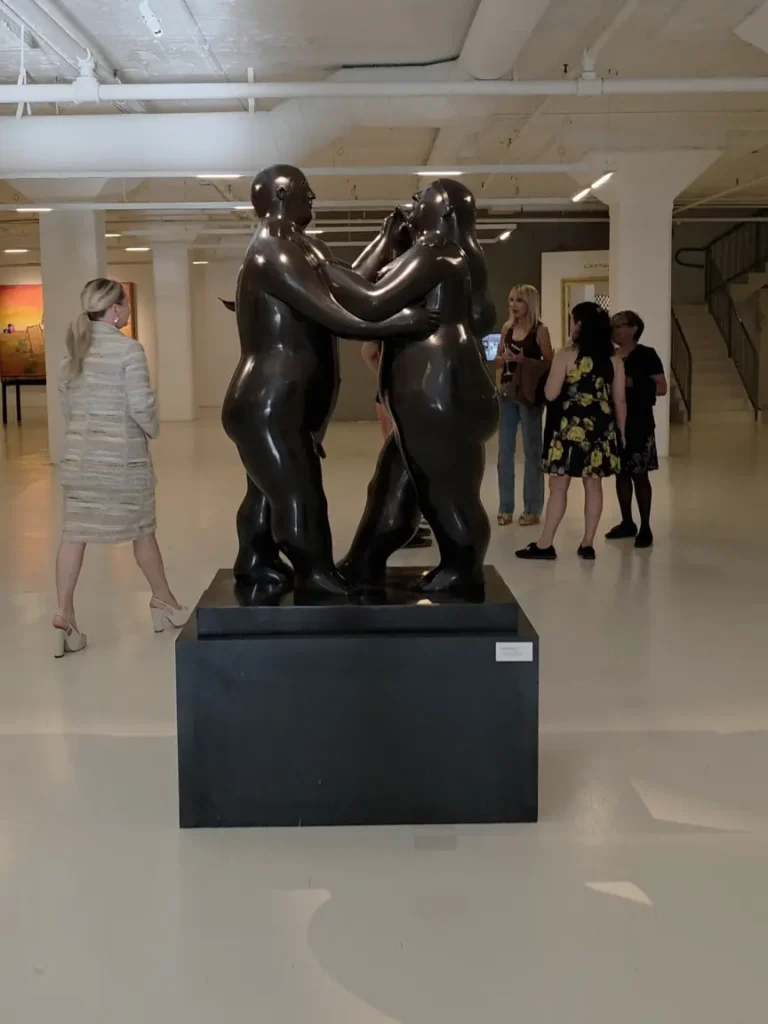
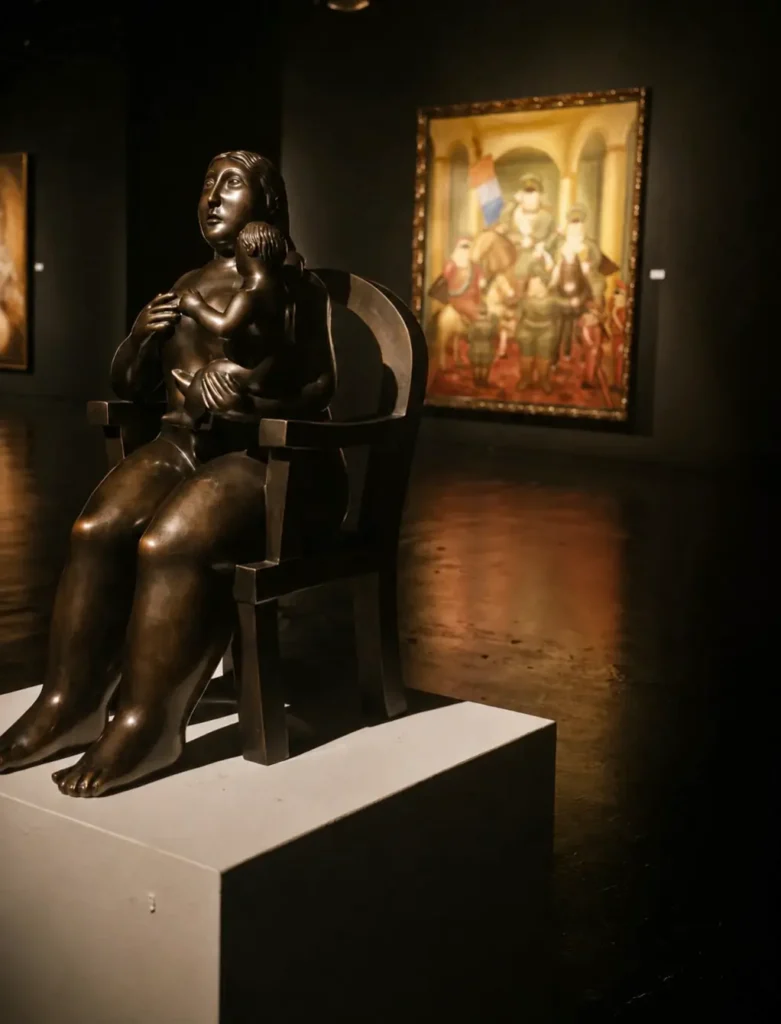
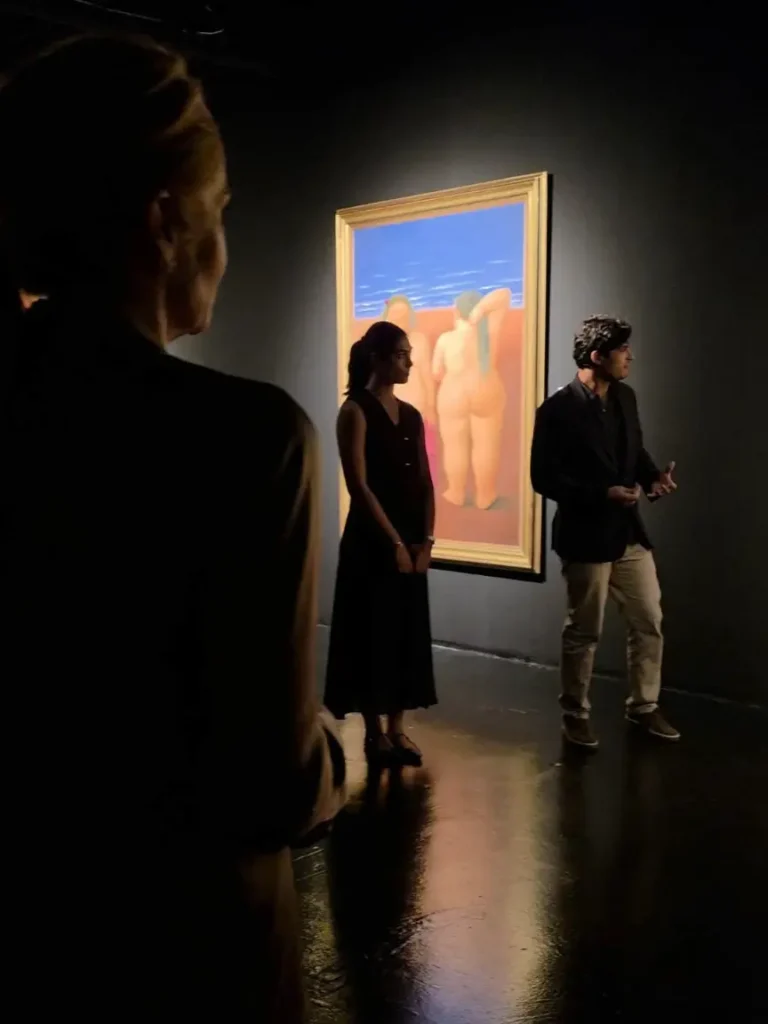
With Fernando Botero, start with volume and the way it gives figures and objects their presence. Then spend time with his color: how one hue sets off another, or how a small accent draws your eye across the painting. The Colombian master’s skill as a colorist is inseparable from his gift for storytelling. Even a tiny detail, such as the placement of a hand or an object in the background, can offer a clue to another layer of the scene. As you connect those details, you begin to imagine a story of your own, following the possibilities Botero leaves open.
The collection spans Botero’s paintings, drawings, watercolors and sculptures. It also includes BoteroSutra, the final collection of works the Colombian master delivered before his death for his last curated exhibition. Moving between these media lets you see how he developed volume and narrative in both intimate works on paper and sculpture.
Color and movement need you there
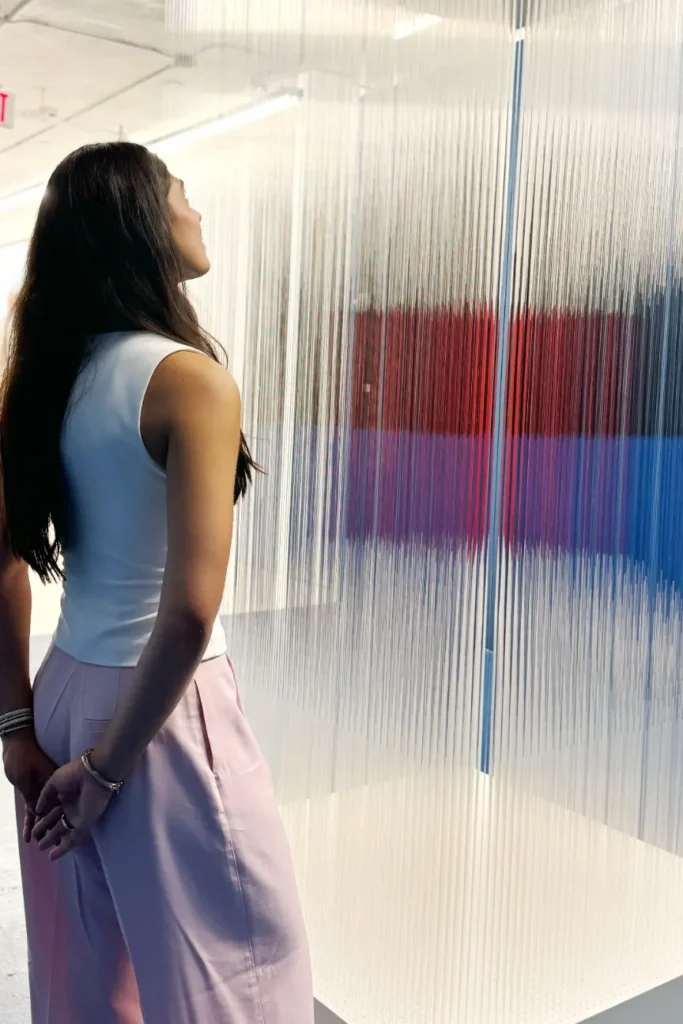
Carlos Cruz-Diez is represented through wall-based works as well as sculpture, alongside sculptures by Jesús Rafael Soto, whose work offers another approach to kinetic art. With Cruz-Diez’s color investigations, a change of viewpoint or light can change what you perceive. Soto’s layered lines and elements can produce a sense of vibration or movement as you shift position. Take a few steps and compare what you see.
Richard Hudson’s sculpture draws attention to the way a curved surface occupies space. Look from the side as well as the front, and notice what its finish reveals about the surroundings. Moving through the gallery becomes part of the experience of looking.
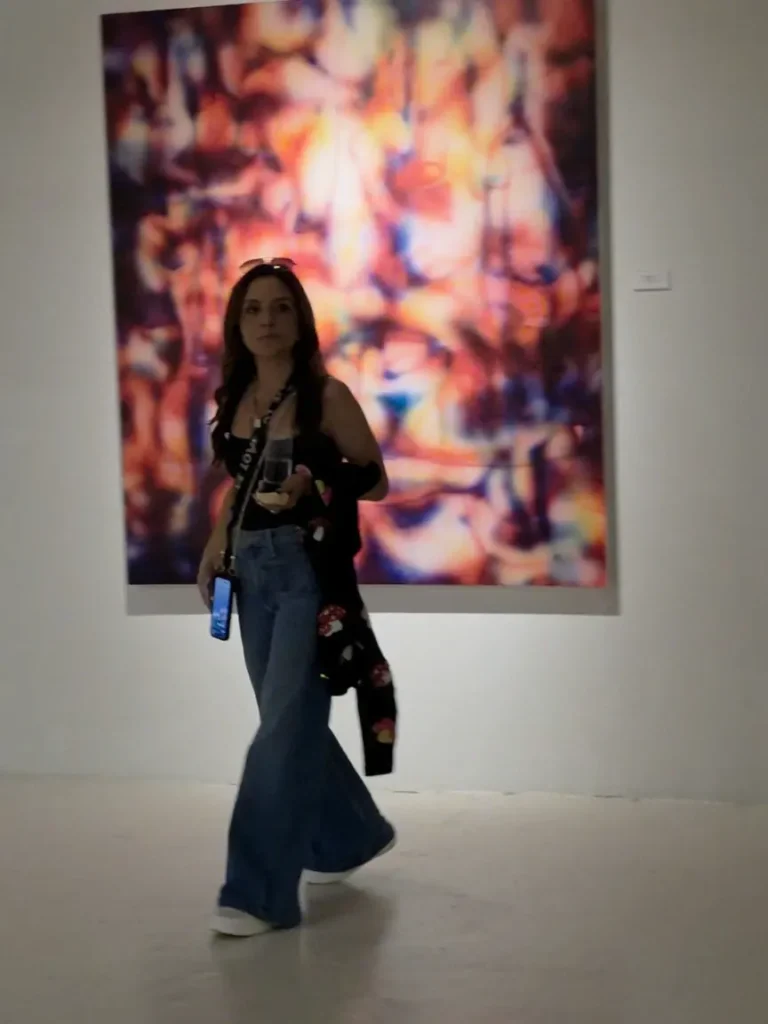
Continue upstairs to Nader Museum
The private collection brings together modern masters whose paintings offer very different kinds of encounters. In Wifredo Lam’s work, figures can combine human, animal and vegetal forms, drawing on Afro-Caribbean histories and his encounters with modernism. Lam met Picasso in Paris in 1938. Roberto Matta opens another kind of space, with forms that seem to inhabit imagined worlds. Give your eye time to find its way through them.
Diego Rivera invites attention to the human figure and the way bodies occupy a composition. Rufino Tamayo offers another reason to stay with a painting: the relationships between colors and the texture of the surface. Looking at these artists in the same visit lets you compare how differently they construct a human presence.
Amelia Peláez brings the patterns and architectural rhythms of Cuban interiors into her compositions. Look at how an object meets the lines surrounding it. Oswaldo Vigas draws on myth and the human figure, with forms that can feel both bodily and abstract. Oswaldo Guayasamín’s expressive faces and hands ask for a different kind of attention, bringing suffering and tenderness into the encounter.
The collection also includes Joaquín Torres-García, Emilio Pettoruti, Fernando de Szyszlo and Guillermo Kuitca. The artists and works visible during your visit depend on the current exhibition program. Check what is on view, and leave time for the painting you did not expect to like.
Discover sculptures in the Miami Design District
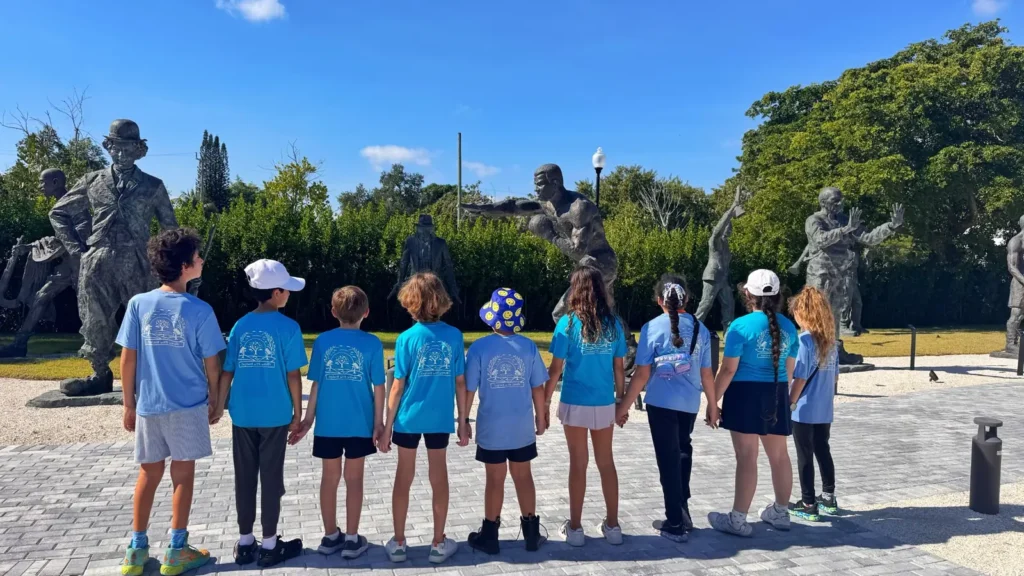
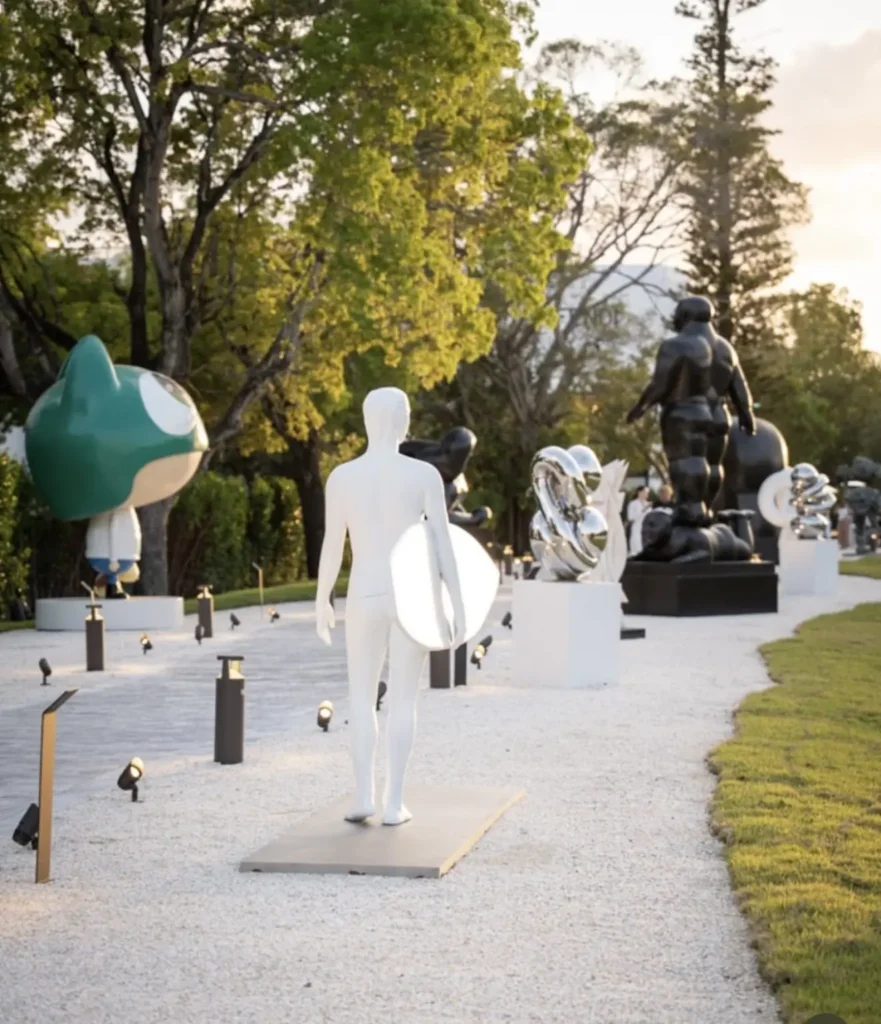
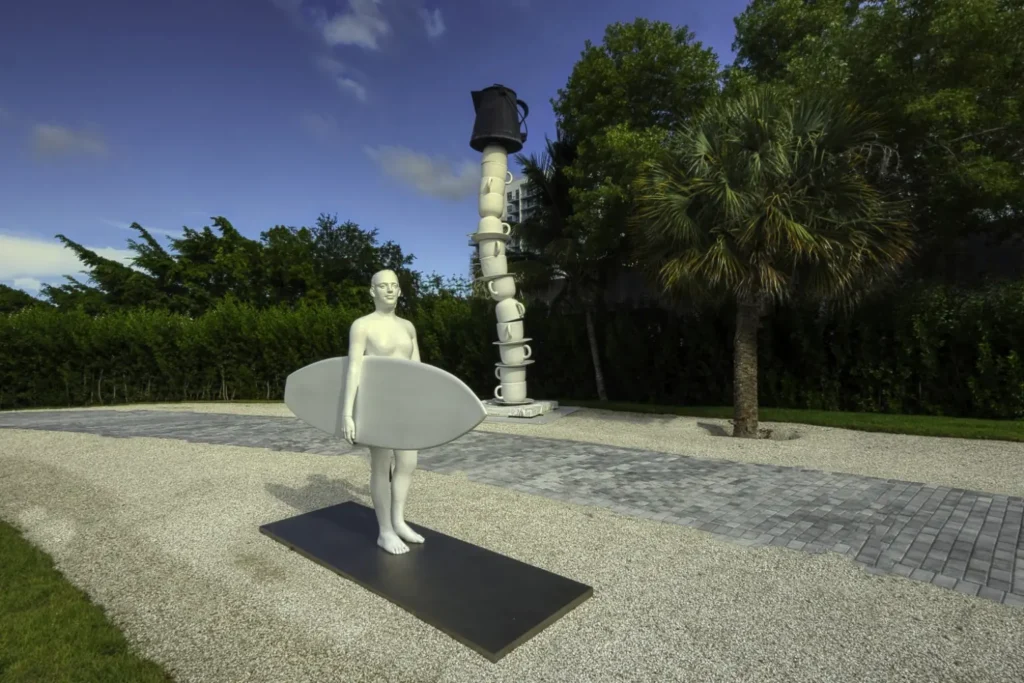
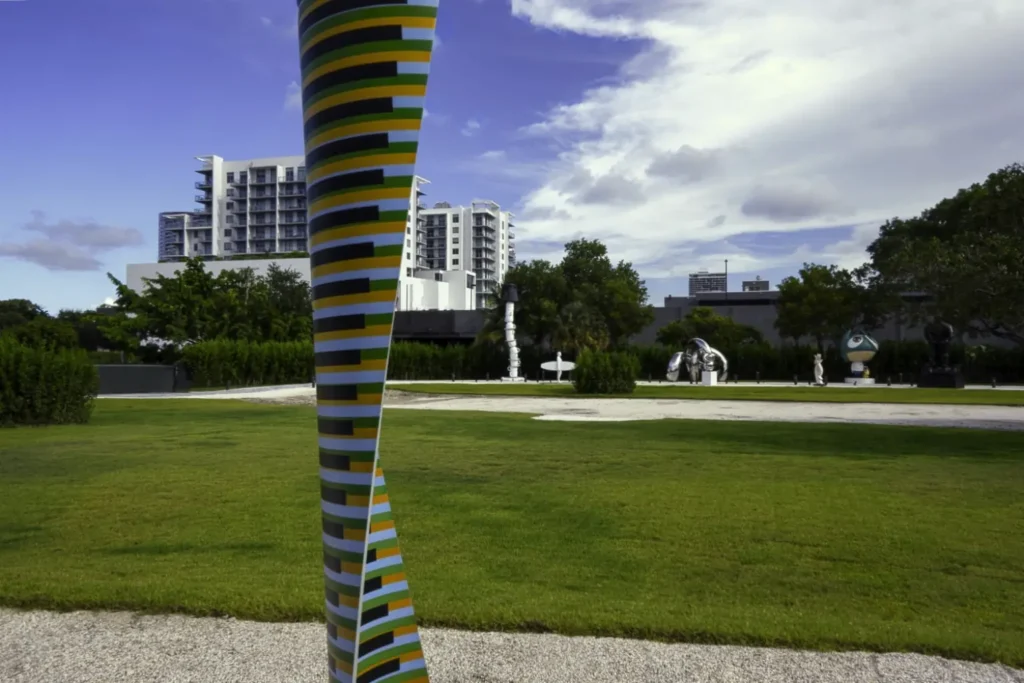
At 4201 NE 2nd Avenue, Nader Sculpture Park brings modern and contemporary sculpture into the open air of the Miami Design District. A familiar figure may make you smile, while an abstract form may hold your attention without immediately telling you why. Leave time to discover which works you respond to.
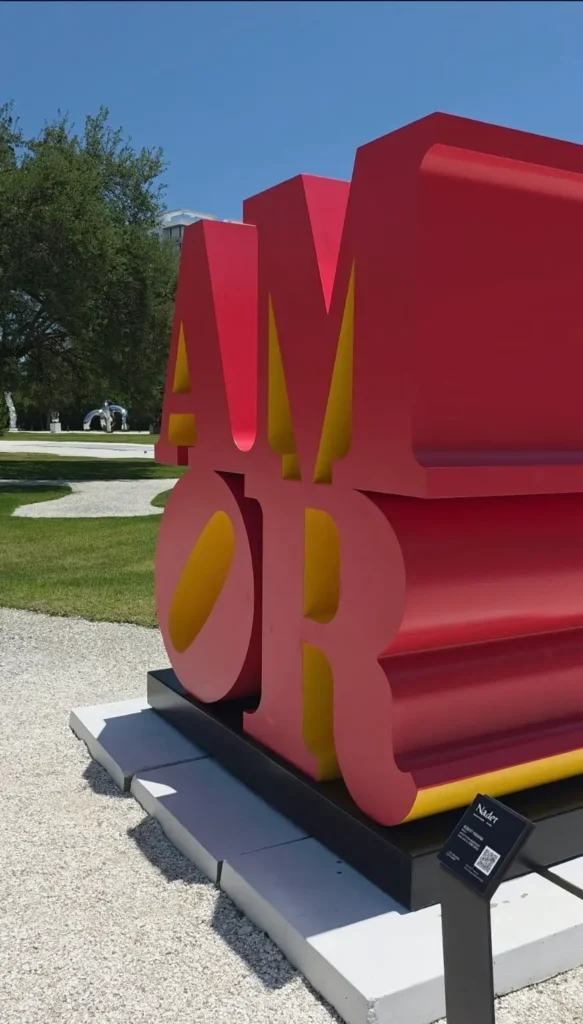
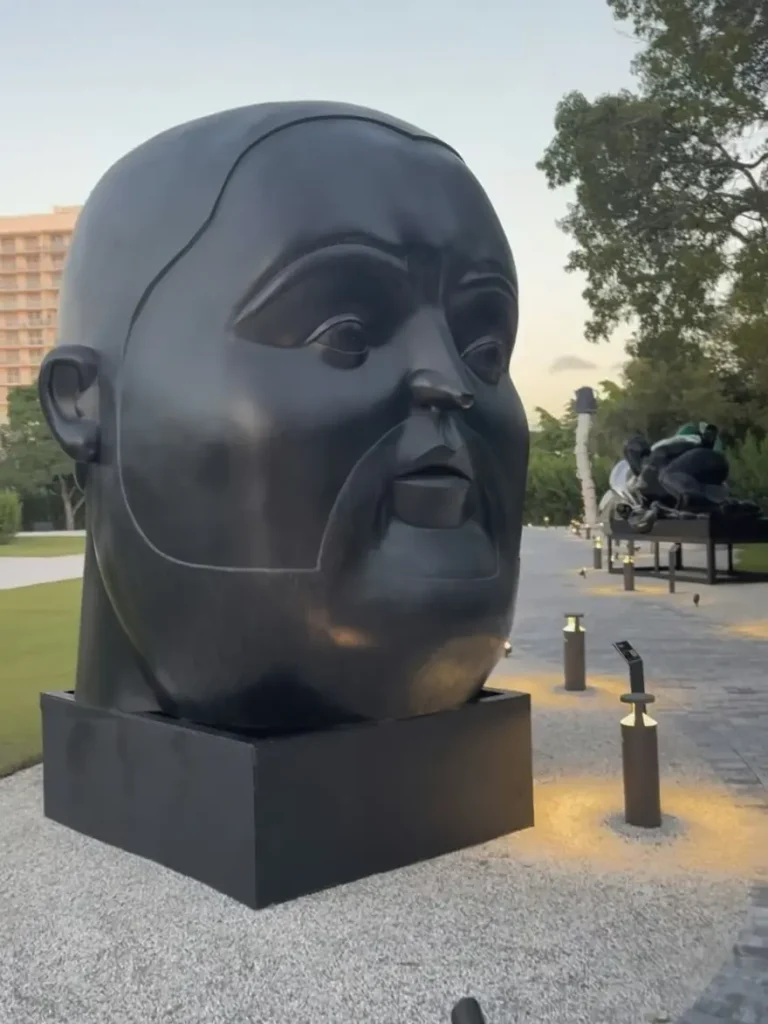
Fernando Botero and Robert Indiana are two of the park’s defining artists. Botero’s bronzes give volume a physical presence that changes as you walk around them. Indiana’s LOVE and AMOR bring his celebrated use of words into the visit. Their stacked letters are immediately readable, yet seeing them in person reveals the depth and spaces within each composition. Spend a moment beside them as well as in front; the view from the side has its own appeal.
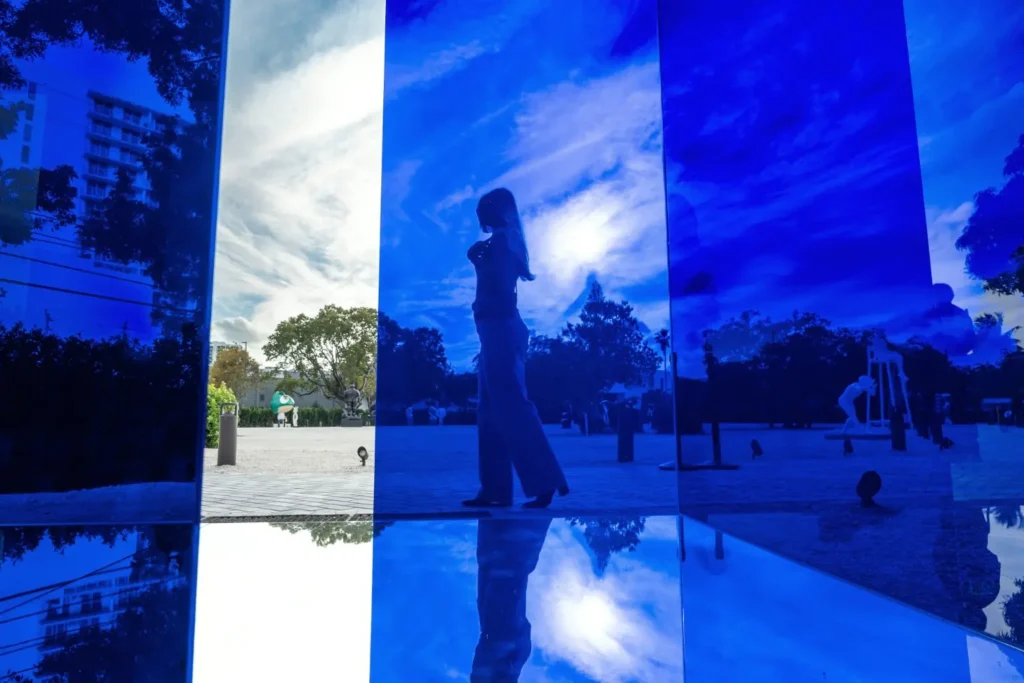
Several sculptures by Richard Hudson and Rachel Valdés invite you to explore how a work changes with its setting. Hudson’s curved, reflective forms take in the surrounding space, while Valdés’s mirrored geometric works bring your own reflection into the composition. Walking between them, you can see the light and architecture appear from different angles. Carlos Cruz-Diez’s Cromovela No. 24 brings the master’s exploration of color into outdoor space.
Soraya Abu Naba’a’s Chroma Emotiva grows out of her Flora series and the feelings flowers can express, from gratitude to hope. The monumental sculpture translates that language into reflective stainless steel. Its mirrored surfaces place you within the work alongside the park around you, making your relationship with nature and with other visitors part of the encounter.
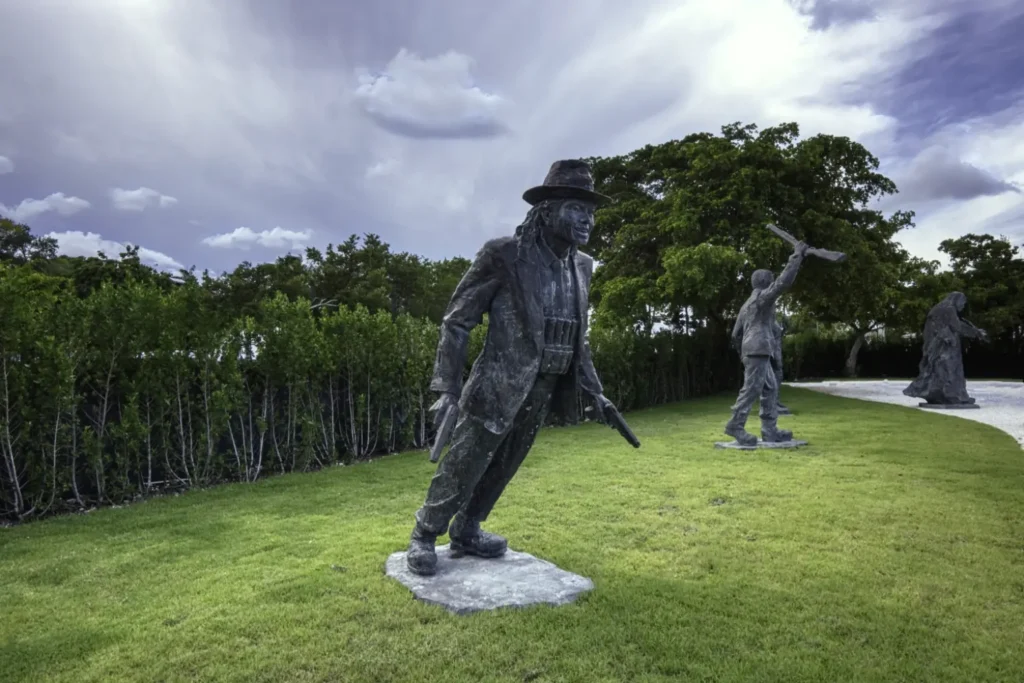
Ahmed Al Bahrani’s War to War may prompt a less comfortable encounter. His sculptures place weapons in the hands of recognizable figures, bringing familiar images into a critique of war and gun violence. Recognition can give way to unease, or to questions about what these figures mean to you. Give the collection time: a work that first catches your eye for its subject may leave you thinking about something quite different.
Across Aurora Cañero’s sculptures, the human body carries the story. Her bronze figures use gesture and posture to suggest an inner life, often with a dreamlike quality that leaves their meaning open. A stance or the relationship between two figures can hold your attention as much as a face. Bernar Venet’s Arcs in Disorder offers another kind of physical encounter, through the weight of steel and the sweep of its curves.
Oswaldo Vigas’s Gran Centaura and Julio Larraz’s Mars introduce their own imagined characters, while Edgar Plans’s The Dreamer brings the artist’s playful visual world outdoors. Works by Pablo Atchugarry add to the range of sculptural forms you can discover along the way.
Try walking through once, then returning to the work that stayed with you. Was it the scale, the surface, a recognizable character or the way the light fell? If you visit with someone else, compare your choices. The collection offers enough variety for the two of you to leave with different favorites.
The visit brings you close to artists represented in some of the world’s major museum collections. MoMA in New York holds works by Botero, Lam, Rivera, Matta, Tamayo, Amelia Peláez and Indiana; the Guggenheim collects Soto, and the Centre Pompidou in Paris collects Cruz-Diez. Here in Miami, you can spend an afternoon with work by these modern and contemporary masters, with free admission to the gallery and park.
Make an afternoon of the two neighborhoods
Begin in Wynwood, leaving time for the gallery before lunch or coffee nearby. Continue to the Design District for the sculpture park and a walk through the neighborhood. Choose a day when both venues are open, and allow time to travel between them.
Bring comfortable shoes and check the weather for the outdoor stop. Leave room in the schedule to stay a little longer with a work you like, or to sit down for coffee and compare notes with the people you came with.
Bring a group and spend more time with the art
Guided group tours are available at either Gary Nader Art Centre or Nader Sculpture Park for groups of 10 or more, at $35 per person. They are an option for friends traveling together, cultural groups or teams looking to include art in a Miami visit.
A tour adds context to the works and gives the group an opportunity to ask questions as they look. Independent gallery and park admission remains free; the $35 rate applies to the guided group experience.
To arrange a group tour, email info@garynader.com with your preferred location, date and number of guests. Contact the team in advance to confirm availability.
Plan your visit
Gary Nader Art Centre
62 NE 27th Street, Wynwood, Miami, Florida. Gallery hours: Monday through Saturday, 10 a.m. to 6 p.m. Independent gallery admission and gallery parking are free.
Nader Sculpture Park
4201 NE 2nd Avenue, Miami Design District, Miami, Florida. Park hours: Tuesday through Friday, 12 p.m. to 9 p.m.; Saturday and Sunday, 1 p.m. to 8 p.m. Closed Monday. Independent park admission is free.
For visit information or guided group tours, contact info@garynader.com or +1 305 576 0256. Explore the current exhibitions and plan your two stops