News · Gary Nader Art Centre
Lam Basquiat Songye: A Dialogue Across Time Opens in Miami
November 27, 2026
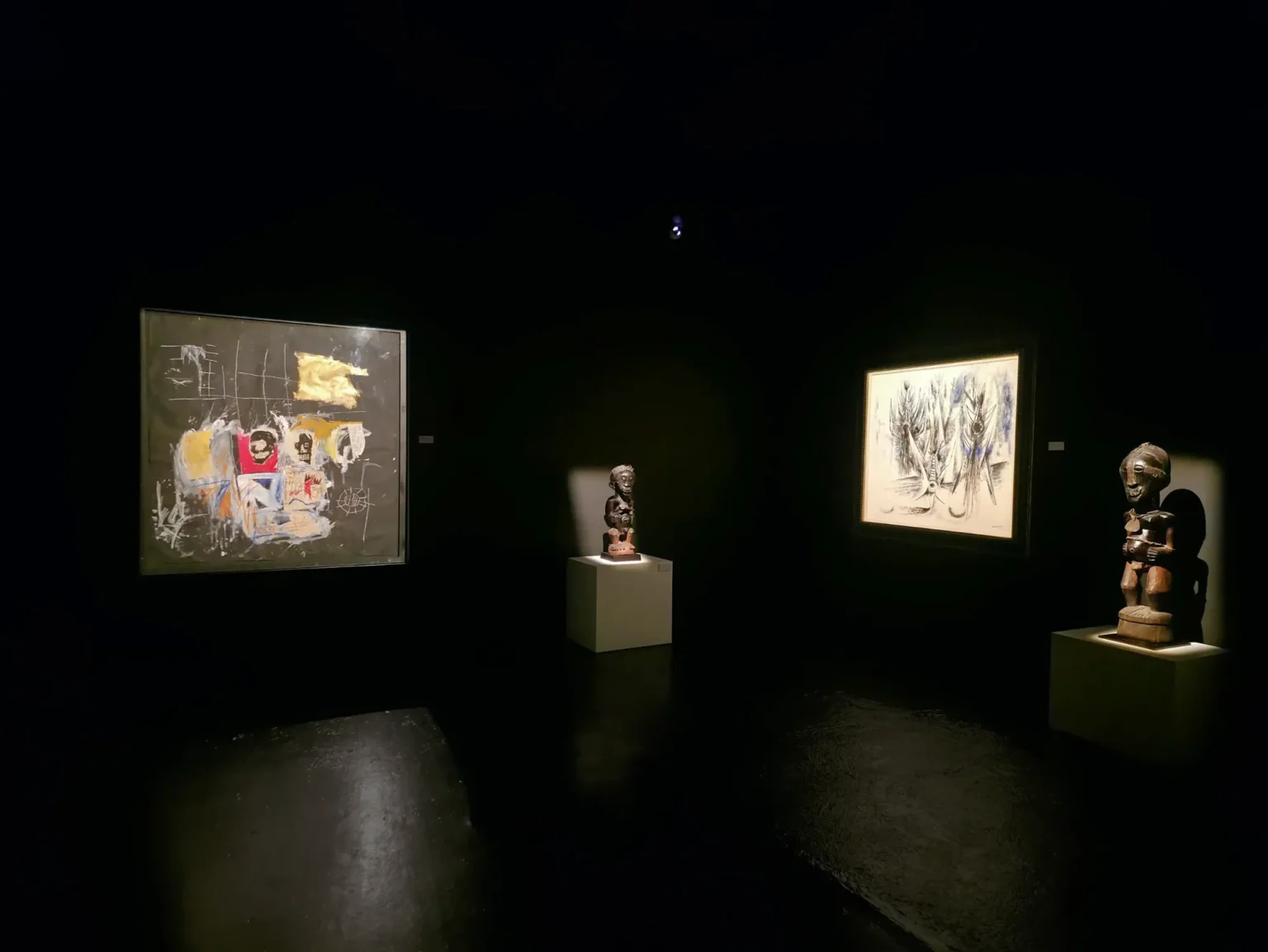
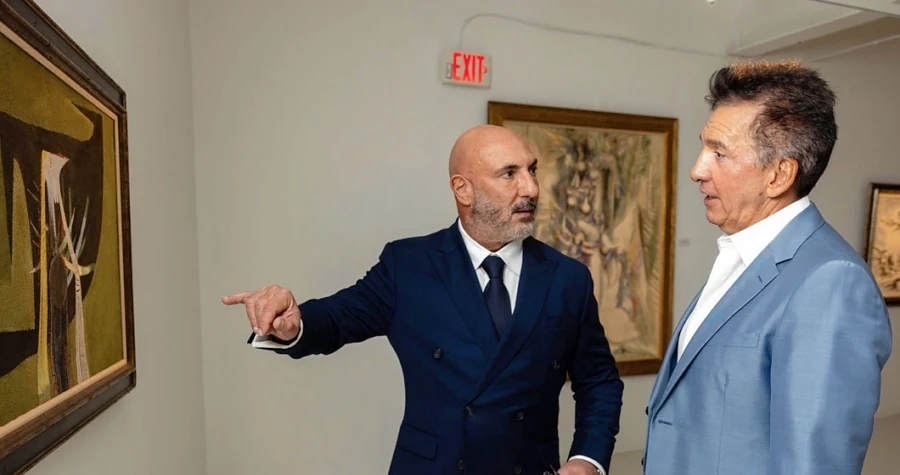
Gary Nader Art Centre presents Lam Basquiat Songye: Wifredo Lam and Jean-Michel Basquiat in Dialogue with the Songye Sculpture of Central Africa, an exhibition exploring the human figure, spiritual expression and artistic traditions of the African diaspora.
Opening to the public on December 2, 2026, during Miami Art Week, the exhibition brings together approximately 35 paintings and works on paper by Lam and Basquiat alongside Songye figures from a European collection. The exhibition remains on view through March 31, 2027.
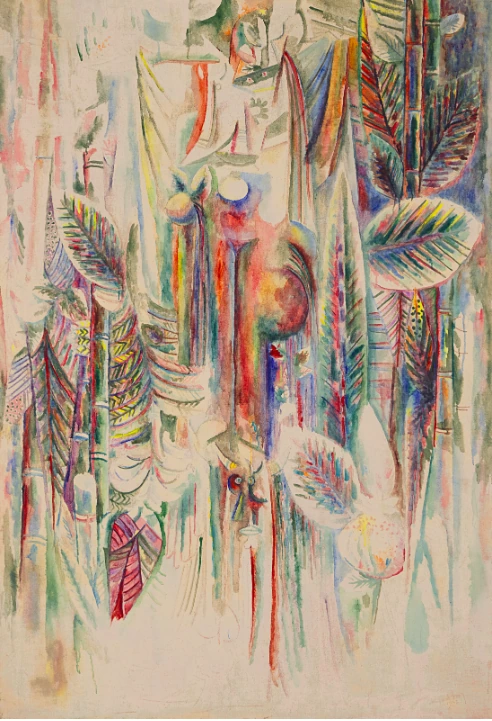
Among the works on view will be Wifredo Lam’s Ogue Orisa (1943), recently acquired by Gary Nader for $11.6 million at Christie’s 20th Century Evening Sale in New York. The sale established a world auction record for Lam and the highest auction price for a painting by a Cuban artist.
Across distinct histories and cultural contexts, the exhibition invites visitors to consider how form, material and gesture can convey ideas about identity, spiritual life and the relationship between the visible and the unseen.
“This exhibition represents something I have been working toward for years; the recognition that Lam and Basquiat were not simply influenced by African art as a formal resource, but that they inhabited its deepest philosophical premises as artists of the African diaspora. The Songye kifwebe mask and nkisi figure are not backgrounds to this show. They are its beating heart.”
— Gary Nader, Founder and Director, Gary Nader Art Centre
Wifredo Lam and Ogue Orisa
Born in Cuba to a Chinese father and a mother of African, Spanish and Indigenous ancestry, Wifredo Lam (1902–1982) developed a visual language informed by the cultures of the Caribbean, his encounters with European modernism and his engagement with African art and Afro-Cuban spiritual traditions.
His paintings brought human, animal and vegetal forms together in compositions that resist simple classification. Elongated bodies, masklike faces and hybrid figures became central to a practice that expanded the visual language of modern art.
Painted in 1943, the same year as Lam’s celebrated The Jungle, Ogue Orisa belongs to a defining period in the artist’s career, following his return to Cuba. Its inclusion in Lam Basquiat Songye brings a recently acquired painting into the exhibition’s exploration of spiritual and cultural expression.
Nader acquired Ogue Orisa at Christie’s New York on November 17, 2026. The $11.6 million result set a new auction record for Lam. Its presentation in Miami continues Gary Nader Art Centre’s longstanding engagement with the artist’s work.
Jean-Michel Basquiat: The expressive figure
Jean-Michel Basquiat (1960–1988) placed the human figure at the center of a body of work that brought together painting, drawing, text and symbols. His layered surfaces and expressive figures addressed identity, history, power and the experiences of people of African descent.
Born in Brooklyn to a Haitian father and a Puerto Rican mother, Basquiat drew on sources ranging from art history and popular culture to music, anatomy and the histories of the African diaspora. His use of fragmented bodies, skulls, faces and written language gave his figures an intensity that remains central to his work.
The exhibition presents paintings and works on paper from across Basquiat’s career. Seen alongside Lam’s paintings and Songye sculpture, they open a conversation about the expressive force of the body and the many histories that can be carried through its representation.
Songye sculpture: Form and spiritual life
The Songye people of the Democratic Republic of the Congo have produced a sculptural tradition distinguished by the powerful presence of the human figure and the relationship between artistic form and spiritual practice.
Among the works associated with this tradition are nkisi power figures. Carved from wood and, in some cases, incorporating materials such as metal, fiber, beads and other organic elements, these figures were created for different purposes and within specific community contexts. Their materials and forms cannot be reduced to a single meaning.
The creation and use of such figures could involve both a carver and a ritual specialist, known as a nganga. Features such as prominent heads, concentrated gazes, frontal poses and carefully articulated hands give many Songye figures their distinctive visual presence.
The sculptures in the exhibition are presented as works with their own histories and cultural significance. In dialogue with Lam and Basquiat, they invite visitors to look closely at different approaches to the human form, while recognizing the particular context of each tradition.
Three artistic languages in dialogue
Lam Basquiat Songye brings together works separated by geography, historical moment and purpose. The exhibition creates a space to consider affinities in their treatment of the body and the face, without suggesting that the works share a single origin or meaning.
By placing modern painting and Songye sculpture in conversation, the presentation encourages a closer look at the cultural histories, artistic choices and spiritual ideas that inform each body of work.
Visitor information
Exhibition dates: December 2, 2026 – March 31, 2027
Location: Gary Nader Art Centre, 62 NE 27th Street, Miami, Florida
Hours: Monday–Saturday, 10:00 a.m.–6:00 p.m.
Admission: Complimentary
Information: info@garynader.com | +1 305 576 0256
Explore the exhibition
About Gary Nader Art Centre
Located in Miami’s Wynwood Arts District, Gary Nader Art Centre presents modern and contemporary art through exhibitions that bring together artists from around the world. Founded by Gary Nader, the institution draws on more than four decades of experience in the acquisition, exhibition and promotion of major international artists.
For more information, please see:
Gary Nader CV: Selected Solo and Group Exhibitions
Media contact
María Carolina Alonso
Public Relations Manager
Gary Nader Art Centre
mariacaro@garynader.com
www.garynader.com
Related Posts